WHAT IS STRUCTURAL HEART DISEASE?
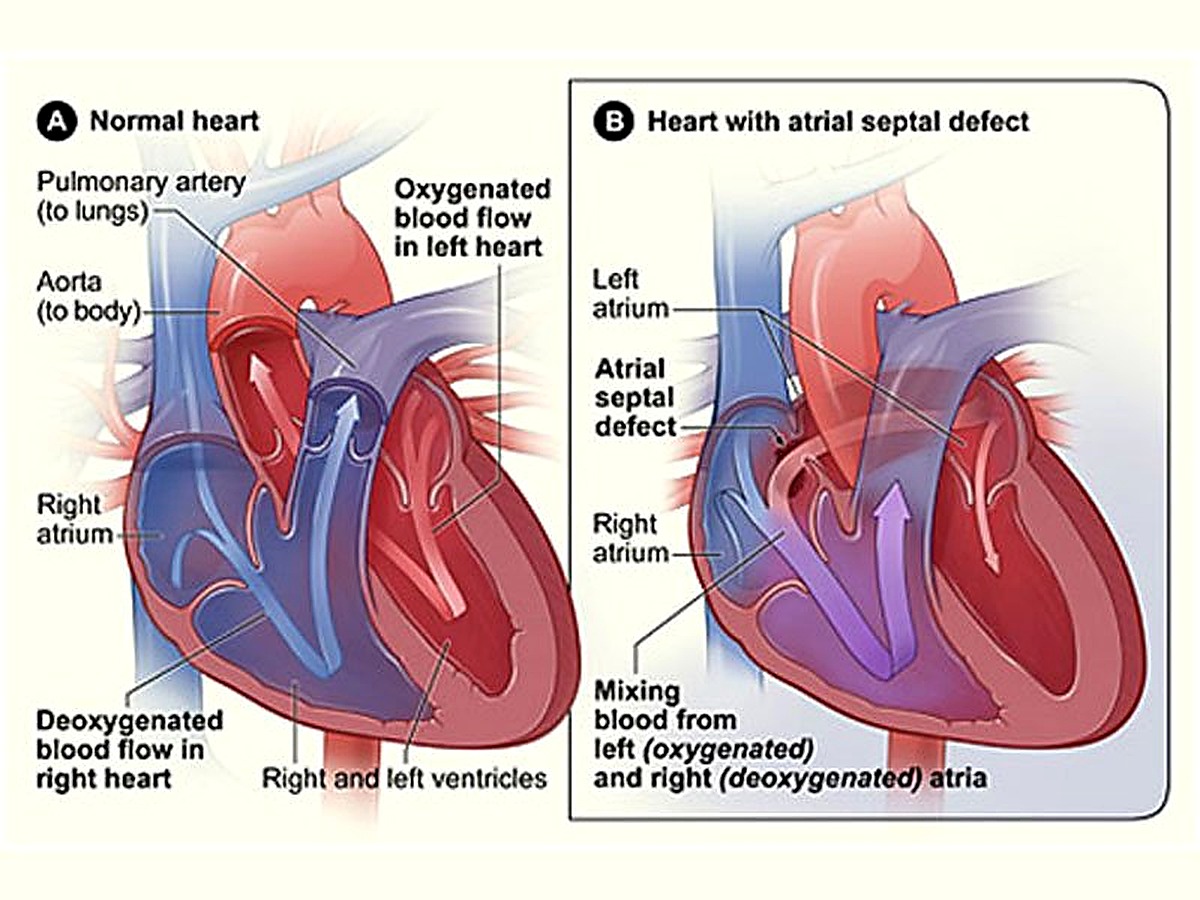
Structural heart disease most often refers to cardiac defects which are congenital in nature (birth defects), but may also include abnormalities of the valves and vessels of the heart wall that develop with wear and tear on the heart, or through other disease processes. The three most common congenital heart diseases are Atrial Septal Defect (ASD), Patent Foramen Ovale (PFO), and Coarctation of the Aorta.
An ASD is a hole in the wall (septum) which separates the top two chambers of the heart. A PFO is similar to an ASD; it is a flap-like hole in the wall that separates the upper two chambers of the heart, a coarctation of the aorta is a narrowing of the vessel, in the upper chest that carries the blood from the heart, to every other part of the body to supply oxygen and other nutrients.
- Aortic stenosis – a narrowing of the valve between the heart and aorta that prevents it from opening properly
- Atrial septal defect – a hole between the heart’s two upper chambers
- Complex congenital heart disease
- Hypertrophic obstructive cardiomyopathy – thickening of the heart walls
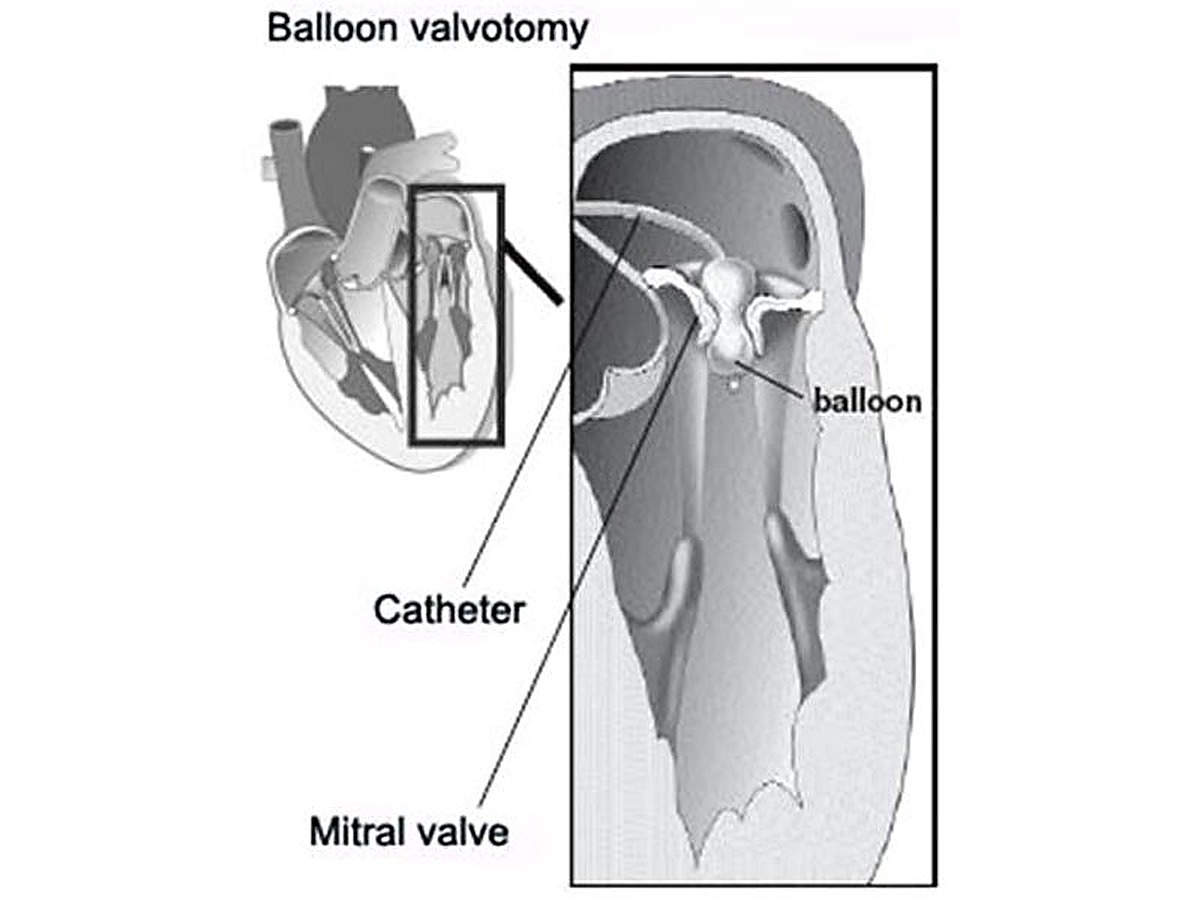
- Mitral regurgitation – a weakening or stretching of the valve between the heart’s upper and lower left chambers that prevents it from closing properly
- Mitral stenosis – a stiffening of the valve between the heart’s upper and lower left chambers that prevents it from opening properly
- Paravalvular leaks – a problem that can develop following valve replacement
- Pericardial disease – conditions of the tissue and fluid sac surrounding the Valvular heart disease – conditions affecting all four valves within the heart
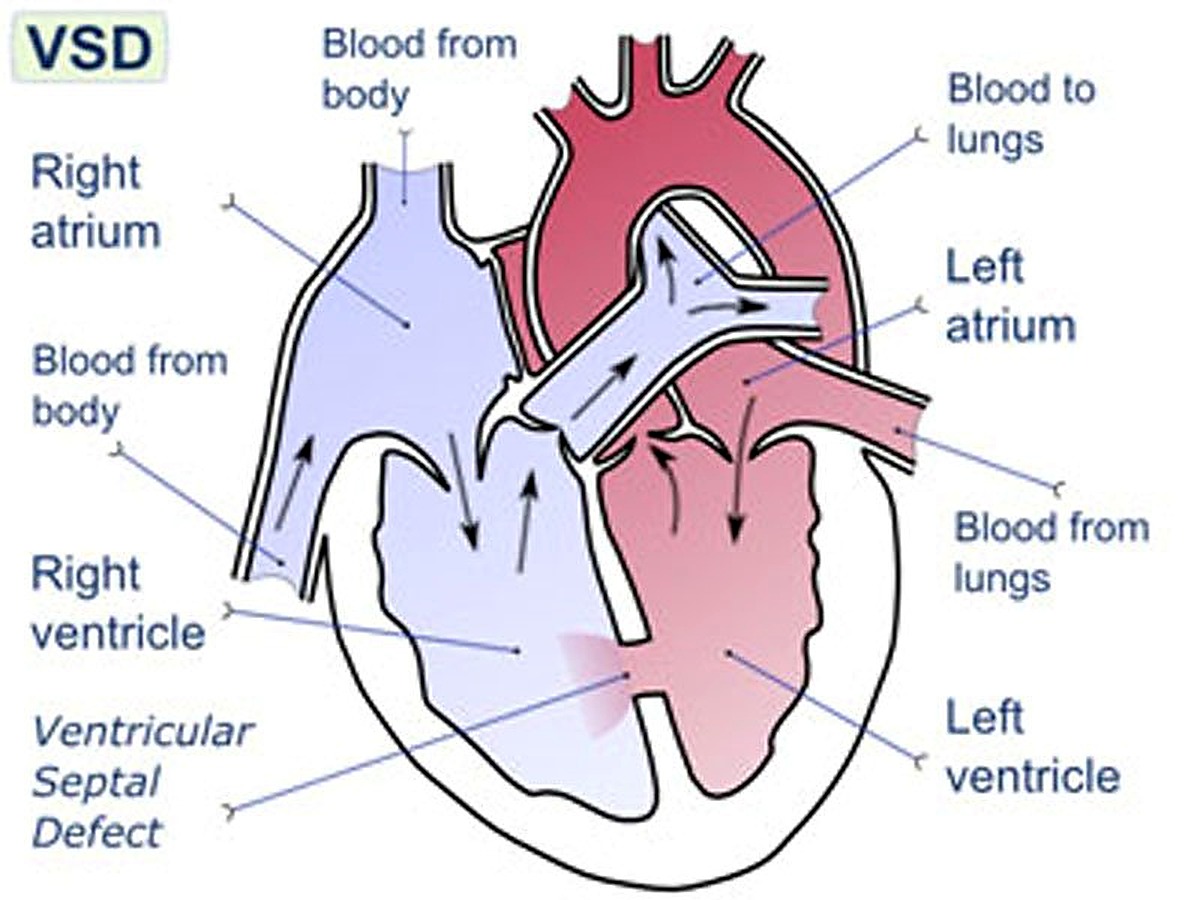
- Ventricular septal defect – a hole between the heart’s two lower chambers